
Ayurvedic Treatment for White Discharge: सफेद पानी के कारण, लक्षण और सुरक्षित Ayurvedic Approach
White discharge यानी सफेद पानी महिलाओं में होने वाली एक सामान्य vaginal secretion हो सकती है। हर सफेद discharge को बीमारी मानना सही नहीं है। सामान्य discharge आमतौर पर clear या milky-white होता है, उसमें तेज दुर्गंध नहीं होती और उसकी मात्रा menstrual cycle के अलग-अलग समय पर बदल सकती है। Ovulation के आसपास discharge अधिक साफ और slippery भी हो सकता है।
लेकिन यदि discharge अचानक बहुत बढ़ जाए, उसका रंग या smell बदल जाए, या उसके साथ खुजली, जलन, पेशाब में दर्द, pelvic pain, bleeding या sexual intercourse के दौरान दर्द हो, तो इसे केवल "सफेद पानी की कमजोरी" समझकर घरेलू या Ayurvedic remedy शुरू करना उचित नहीं है। ऐसे symptoms vaginal infection, bacterial vaginosis, thrush या कुछ sexually transmitted infections से जुड़े हो सकते हैं।
इसलिए Ayurveda को समझने से पहले normal और abnormal vaginal discharge के बीच अंतर समझना सबसे जरूरी है।
White Discharge क्या होता है?
Vaginal discharge vagina को moist रखने और उसके natural environment को बनाए रखने में भूमिका निभाता है। इसकी मात्रा और consistency hormones तथा menstrual cycle के साथ बदल सकती है। इसलिए केवल सफेद discharge होना अपने-आप में बीमारी का प्रमाण नहीं है।
सामान्य discharge में अक्सर:
- रंग clear या हल्का सफेद होता है
- तेज या unpleasant smell नहीं होती
- कभी thin और कभी थोड़ा thick/sticky हो सकता है
- ovulation या pregnancy में मात्रा बढ़ सकती है
कब सावधान होना चाहिए?
यदि discharge के साथ इनमें से कोई समस्या हो, तो medical evaluation जरूरी हो सकता है:
- तेज या fishy smell
- पीला, हरा या असामान्य रंग
- cottage-cheese जैसा thick discharge
- vaginal itching या soreness
- जलन
- पेशाब करते समय दर्द
- pelvic या lower abdominal pain
- periods के बीच bleeding
- intercourse के बाद bleeding या दर्द
ऐसे symptoms के पीछे अलग-अलग कारण हो सकते हैं, इसलिए केवल discharge देखकर diagnosis करना सही नहीं है।
क्या White Discharge और Leucorrhoea एक ही हैं?
"Leucorrhoea" शब्द traditionally abnormal या excessive whitish vaginal discharge के लिए इस्तेमाल किया जाता है। Ayurveda literature में Shweta Pradara शब्द का प्रयोग भी मिलता है।
हालांकि एक महत्वपूर्ण बात समझना जरूरी है: Ayurveda में Shweta Pradara को आधुनिक medical diagnosis के बिल्कुल बराबर मानना उचित नहीं है। Ayurvedic literature में white vaginal discharge को विभिन्न gynecological conditions के संदर्भ में discuss किया गया है और बाद के classical texts में Shweta Pradara terminology स्पष्ट रूप से मिलती है।
इसलिए modern infection, hormonal disorder या किसी gynecological disease को केवल "Shweta Pradara" कहकर छोड़ देना उचित नहीं है।
White Discharge के संभावित कारण
White discharge के कई कारण हो सकते हैं। कुछ physiological होते हैं, जबकि कुछ medical evaluation की मांग करते हैं।
1. Menstrual cycle और hormonal changes
Ovulation के आसपास cervical mucus अधिक noticeable हो सकता है। Pregnancy में भी discharge बढ़ सकता है। इसलिए मात्रा बढ़ना हमेशा infection का संकेत नहीं है।
2. Vaginal infections
Bacterial vaginosis, candidiasis (thrush) और trichomoniasis abnormal discharge के महत्वपूर्ण कारणों में शामिल हैं। WHO के अनुसार abnormal vaginal discharge कई infections का symptom हो सकता है।
3. Cervical infections
Chlamydia और gonorrhoea जैसी infections में कभी-कभी vaginal discharge, pelvic pain, burning urination या bleeding जैसे symptoms हो सकते हैं। कई STIs बिना symptoms के भी मौजूद रह सकती हैं।
4. Hormonal और reproductive health conditions
कुछ hormonal परिस्थितियों में vaginal discharge pattern बदल सकता है। यदि discharge के साथ irregular periods, acne, unwanted facial hair या weight changes भी हों, तो hormonal evaluation की आवश्यकता हो सकती है।
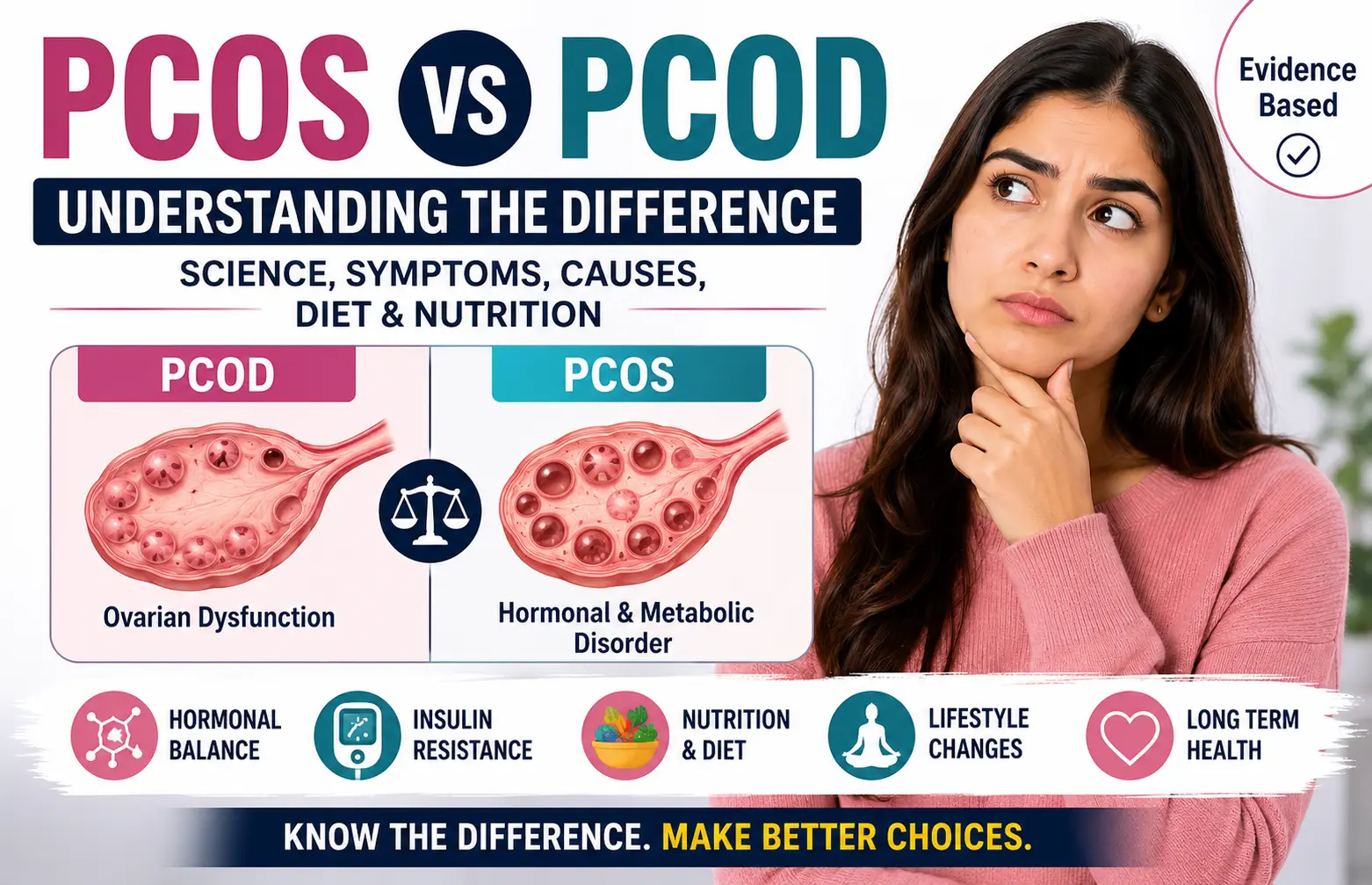
ऐसी स्थिति में आपके Women's Health section का PCOS in Teen Girls: Early Signs Parents Ignore & When to Seek Help article भी उपयोगी संदर्भ है।
5. Nutrition और general health
Balanced nutrition overall reproductive wellness के लिए महत्वपूर्ण है। लेकिन यह मान लेना सही नहीं है कि हर white discharge iron या vitamin deficiency के कारण होता है।
विशेषकर यदि discharge के साथ बहुत ज्यादा periods, कमजोरी, चक्कर या लगातार थकान भी हो, तो iron deficiency/anemia की जांच अलग से आवश्यक हो सकती है। आपके Women's Health section में Iron Deficiency & Irregular Periods article इस connection को विस्तार से समझाता है।
Ayurveda White Discharge को कैसे देखता है?
Ayurvedic literature में female reproductive health को Yoni, Artava, Dosha और Dhatu जैसे concepts के व्यापक framework में समझाया गया है।
Shweta Pradara पर उपलब्ध Ayurvedic literature इसे केवल एक independent disease के रूप में नहीं, बल्कि विभिन्न परिस्थितियों में दिखाई देने वाले symptom के रूप में discuss करता है। कुछ Ayurvedic reviews इसे Kapha-dominant या Kapha-Vata involvement से जोड़ते हैं।
यहाँ एक महत्वपूर्ण distinction है:
Ayurvedic Dosha concepts और modern medical diagnoses जैसे bacterial vaginosis, candidiasis या STI एक-दूसरे के direct equivalents नहीं हैं।
इसलिए Ayurveda का holistic approach lifestyle, diet और traditional herbs पर supportive perspective दे सकता है, लेकिन infection के signs होने पर diagnosis और appropriate medical treatment को delay नहीं करना चाहिए।
White Discharge के लिए Ayurvedic Herbs
Ayurveda में कई herbs का उपयोग women's wellness और reproductive health के लिए traditional formulations में किया गया है। लेकिन किसी herb को देखकर यह दावा नहीं किया जा सकता कि वह हर प्रकार के abnormal vaginal discharge का इलाज कर देगी।
1. अशोक छाल (Ashoka)
Saraca asoca traditional Ayurvedic women's formulations में frequently used herb है। इसका उपयोग विशेष रूप से menstrual और female reproductive wellness formulations में मिलता है।
2. लोध्र (Lodhra)
Lodhra को Ayurveda में traditional स्त्री-स्वास्थ्य formulations में उपयोग किया जाता रहा है। इसका उल्लेख विभिन्न Ayurvedic preparations में मिलता है।
3. शतावरी (Shatavari)
Shatavari traditional Ayurvedic women's wellness में प्रसिद्ध herb है और इसे reproductive nourishment तथा general women's health support के संदर्भ में इस्तेमाल किया जाता है।
4. मंजिष्ठा (Manjistha)
Manjistha Ayurvedic formulations में traditional रूप से इस्तेमाल होने वाली herb है। इसे traditional Ayurvedic framework में त्वचा तथा general cleansing/supportive formulations में भी उपयोग किया जाता है।
5. गुड़हल (Gurhal)
Hibiscus/Gurhal का उपयोग विभिन्न traditional preparations में किया जाता है। Women's wellness के लिए इसके traditional applications का उल्लेख मिलता है।
6. खदिर (Khadir)
Khadir traditional Ayurvedic formulations में उपयोग की जाने वाली botanical ingredient है और इसे विभिन्न supportive तथा cleansing-oriented formulations में शामिल किया जाता है।
7. दशमूल (Dashmool)
Dashmool दस roots का traditional Ayurvedic combination है। Ayurveda में इसका व्यापक उपयोग विभिन्न formulations में मिलता है।
महत्वपूर्ण: इन herbs की traditional use को आधुनिक infection के proven treatment के रूप में प्रस्तुत नहीं किया जाना चाहिए। यदि discharge का कारण bacterial, fungal या sexually transmitted infection है, तो कारण के अनुसार medical treatment आवश्यक हो सकता है। WHO की 2024 treatment guideline abnormal vaginal discharge से जुड़े कई infections के evidence-based management को cover करती है।
White Discharge में क्या खाएं?
कोई एक food white discharge को "ठीक" नहीं करता। लेकिन balanced diet overall health और nutritional status को support करती है।
अपनी daily diet में शामिल कर सकते हैं:
- हरी सब्जियां
- दालें और legumes
- seasonal fruits
- आंवला, अमरूद जैसे Vitamin-C rich foods
- nuts और seeds
- पर्याप्त protein
- पर्याप्त पानी
यदि periods बहुत heavy हैं और कमजोरी भी रहती है, तो iron status की जांच पर healthcare professional से चर्चा करना अधिक उपयोगी है बजाय केवल iron-rich food या supplements स्वयं शुरू करने के।
Intimate Hygiene में कौन-सी गलतियां न करें?
White discharge देखकर कई महिलाएं vagina के अंदर soap, antiseptic liquid, perfume या घरेलू herbal preparations का इस्तेमाल करने लगती हैं। यह approach समस्या को बढ़ा सकती है।
WHO और NHS guidance के अनुसार vagina के अंदर washing/douching से बचना चाहिए। बाहरी area को gently साफ करना पर्याप्त होता है और scented soaps, gels तथा deodorant products irritation पैदा कर सकते हैं।
विशेष रूप से vagina के अंदर किसी herb, powder, oil या घरेलू preparation को डालना उचित नहीं है।
कब Doctor से मिलना चाहिए?
White discharge के साथ निम्न symptoms हों तो self-treatment पर निर्भर रहने के बजाय healthcare professional से मिलें:
- तेज दुर्गंध
- पीला/हरा discharge
- लगातार itching या burning
- पेशाब करते समय दर्द
- pelvic या lower abdominal pain
- periods के बीच bleeding
- intercourse के बाद bleeding
- genital sores/blisters
- pregnancy के दौरान abnormal discharge
- symptoms बार-बार लौटना
STIs में कई बार symptoms बहुत हल्के या बिल्कुल नहीं होते, इसलिए relevant sexual-health risk होने पर testing की जरूरत हो सकती है।
White Discharge: Ayurveda और Modern Medicine को साथ कैसे समझें?
एक practical approach यह है कि दोनों frameworks को उनकी अपनी सीमाओं के साथ समझा जाए।
Modern medicine abnormal discharge का कारण identify करने पर जोर देती है—जैसे bacterial vaginosis, candidiasis, trichomoniasis या cervicitis।
Ayurveda reproductive wellness को broader lifestyle, diet, Dosha और traditional herbal framework में देखता है।
दोनों को मिलाने का अर्थ यह नहीं है कि हर modern infection का Ayurvedic equivalent मौजूद है। बल्कि इसका अर्थ है कि जहां medical diagnosis जरूरी है वहां diagnosis कराया जाए और lifestyle तथा traditional wellness practices को appropriate supportive role में समझा जाए।
Conclusion
White discharge हमेशा बीमारी नहीं होता। Clear या milky-white discharge बिना bad smell और irritation के menstrual cycle के दौरान सामान्य physiological change हो सकता है।
लेकिन discharge में अचानक बदलाव, तेज smell, itching, burning, pelvic pain, bleeding या abnormal colour दिखाई दे तो underlying cause की जांच जरूरी है। ऐसे symptoms infection या दूसरी gynecological conditions से जुड़े हो सकते हैं।
Ayurveda में Shweta Pradara और female reproductive health से संबंधित concepts का विस्तृत traditional framework मिलता है। Ashoka, Lodhra, Shatavari, Manjistha, Khadir और Dashmool जैसी herbs traditional women's wellness formulations का हिस्सा रही हैं, लेकिन इन्हें हर प्रकार के vaginal discharge का proven treatment बताना उचित नहीं है।
सही approach है—symptoms को समझें, abnormal signs को ignore न करें, जरूरत पड़ने पर diagnosis कराएं और Ayurveda तथा lifestyle support को responsible तरीके से अपनाएं।
Medical Disclaimer
यह लेख educational purpose के लिए है। यह किसी disease का diagnosis या व्यक्तिगत treatment plan नहीं है। Pregnancy, recurrent discharge, severe symptoms, STI risk या existing medical condition होने पर qualified healthcare professional से सलाह लें।
References
Modern Medical References
- World Health Organization (WHO). Recommendations for the treatment of Trichomonas vaginalis, Mycoplasma genitalium, Candida albicans, bacterial vaginosis and anogenital warts. Geneva: WHO; 2024.
- World Health Organization (WHO). Bacterial Vaginosis – Fact Sheet.
- World Health Organization (WHO). Trichomoniasis – Fact Sheet.
- Centers for Disease Control and Prevention (CDC). Vulvovaginal – STI Treatment Guidelines.
- WHO. Guidelines for the Management of Symptomatic Sexually Transmitted Infections – Vaginal Discharge Syndrome.
- National AIDS and STD Control Programme (NACO), Government of India. National Technical Guidelines on STI/RTI Management. 2024.
Ayurvedic & Classical References
- Agnivesha. Charaka Samhita, Chikitsa Sthana, Yonivyapat Chikitsa Adhyaya, Chapter 30, with Chakrapani commentary.
- Sushruta. Sushruta Samhita, Uttara Tantra, Yonivyapat Pratishedha, Chapter 38, with Dalhana commentary.
- Vagbhata. Ashtanga Hridaya, Uttara Tantra, Yonivyapat Pratishedha, Chapter 33.
- Sharangadhara. Sharangadhara Samhita.
- Bhavamishra. Bhavaprakasha.
- Yoga Ratnakara.
- Pandey P. A Review on Drugs Used for Shweta Pradara (Leucorrhoea) in Ayurveda. 2022.
- Mishra K, Devi B. Herbal and Therapeutic Interventions in Shweta Pradara: A Literature Review. 2026.
Frequently Asked Questions

Related Articles